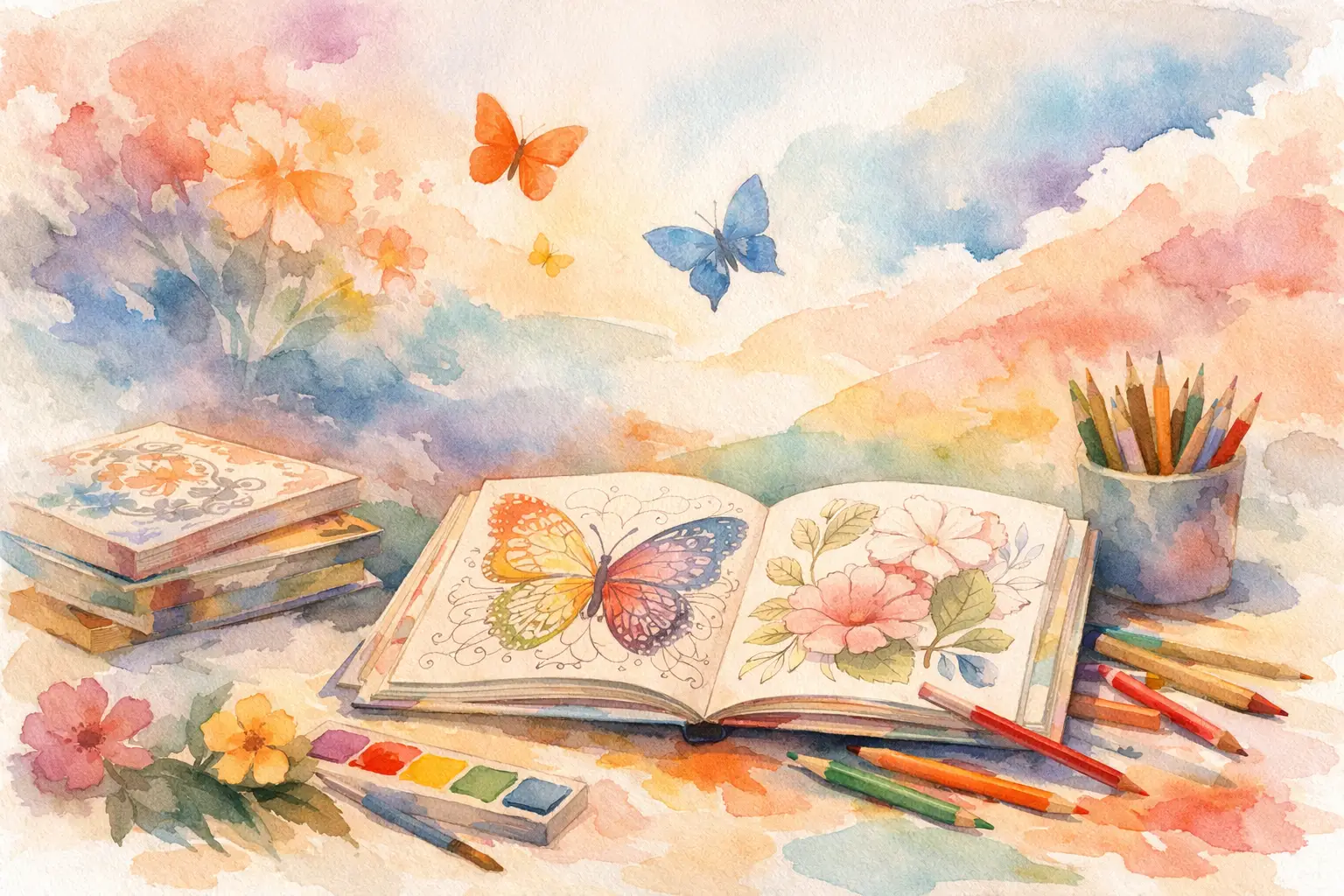
Are Coloring Books Still Popular in 2026?
A half-finished coloring page on the coffee table can be more than a small hobby. It can be a quiet signal that there is still room in the day for something unhurried. So, are coloring books still popular? Yes, especially among adults looking for a gentle, screen-light way to settle their attention and enjoy a creative pause without needing special skills.
The huge adult-coloring surge may no longer feel like a new cultural craze, but coloring has found a steadier place in everyday routines. It has become less about following a trend and more about choosing a simple activity that feels good to return to.
Are Coloring Books Still Popular With Adults?
They are, although the reason people reach for them has become clearer. Adult colorists are not always looking for an intricate project to display or an impressive finished page. Many want a small pocket of calm between responsibilities: a few minutes before bed, a peaceful break after work, or something tactile to do while a home grows quiet.
That lasting appeal comes from how little coloring asks of us. There is no blank page to face, no pressure to get proportions right, and no need to learn a technique before beginning. Choose a page, pick a few colors, and start where you are. For someone carrying a full schedule or a busy mind, that ease matters.
Coloring also fits the way many people now think about downtime. Endless scrolling can leave a person feeling more scattered than rested. A printed book offers a different kind of pause. The page stays still. The pencils make a soft sound. One small area becomes the only thing that needs attention for a while.
Why the Appeal Has Lasted
Coloring books have remained popular because they meet several everyday needs at once. They offer creativity, but not the pressure to produce original art. They provide focus, but do not demand long stretches of concentration. And they create a satisfying sense of progress, even if all you complete is one flower petal or a corner of a leafy scene.
For busy professionals, parents, caregivers, and retirees, this flexibility is part of the comfort. A coloring session does not need an elaborate setup or a perfectly open afternoon. Ten minutes with a favorite set of colored pencils can feel worthwhile. Longer sessions are there when you want them, but they are never required.
The tactile experience also has a quiet strength. Holding a pencil, choosing shades, and seeing color build across the page can help slow the mind. Unlike many digital activities, coloring leaves no alerts waiting in the corner and no feed asking for one more minute of attention.
Familiar themes make it easier to begin
The most enduring coloring books tend to center on images that already feel inviting. Floral arrangements, garden scenes, woodland animals, birds, soft landscapes, and cozy natural details give people a pleasant place to rest their attention.
Nature-inspired pages are especially suited to relaxed coloring because they do not demand rigid choices. A leaf can be sage green, deep teal, or soft gold. A fox can be realistic or entirely imagined. This freedom helps coloring feel personal without making it complicated.
A thoughtfully chosen theme can also shape the mood of the break. Delicate flowers may feel light and bright after a demanding day. Gentle animal designs can add warmth and playfulness. Detailed botanical pages may suit a slower weekend morning when you want to linger over blending and shading.
What Has Changed Since the Coloring Boom?
Coloring books are still popular, but the market has matured. During the first major wave of adult coloring, many books were packed with extremely detailed patterns and tiny spaces. Some people loved the challenge. Others discovered that pages requiring intense concentration did not always match the restful experience they hoped to find.
Today, there is more room for a softer approach. Many colorists look for designs that are clear, welcoming, and pleasant to complete. They may still enjoy detail, but they want it balanced with open space and a sense of ease. A page should invite calm, not feel like another item on a to-do list.
This shift is good news for people who have avoided coloring because they worried they were not artistic enough. Coloring does not have to be about flawless gradients, expensive markers, or pages worthy of sharing online. It can simply be an enjoyable way to spend time with color.
Social media has changed the hobby, too. It can be inspiring to see palettes and finished pages from other colorists, but comparison can take the warmth out of a personal activity. The most satisfying coloring habits usually leave room for private enjoyment. Your page does not need to match anyone else’s style to be beautiful to you.
Who Is Coloring for Now?
The audience is broader than a single age group or experience level. Some people return to coloring because it reminds them of an uncomplicated childhood pleasure. Others discover it later in life, when they want a creative ritual that fits around work, family, or changing energy levels.
It is especially appealing to people who want a low-pressure alternative to screens. A coloring book can travel in a tote bag, wait on a bedside table, or sit beside a favorite chair. It does not need charging, updates, or a subscription. That simplicity has become part of its value.
Coloring also works well as a thoughtful gift. A floral or nature-themed book paired with a small set of pencils says, in a gentle way, that someone deserves a little unclaimed time. It is useful without being demanding, personal without requiring the giver to guess at a complicated hobby.
Choosing a Coloring Book You Will Actually Use
Popularity alone does not make every coloring book a good fit. The best choice is the one you will feel happy opening on an ordinary day. Start with imagery that genuinely draws you in. If flowers make you pause, choose blooms and gardens. If animals bring a smile, look for friendly creatures and peaceful outdoor scenes.
Then consider the pace you want. Pages with larger shapes and clean lines can be especially relaxing when your attention feels tired. More detailed designs may be enjoyable when you are in the mood for a longer, focused session. Neither is better. They simply create different experiences.
Paper and layout matter, too, particularly if you like using markers. Single-sided designs can offer more flexibility, while a book with ample margins may feel less cramped. Still, the strongest reason to choose a book is emotional: the pages should feel like somewhere you want to spend time.
AmBizi creates floral, nature, and animal-themed coloring books with this kind of quiet enjoyment in mind. The goal is not to make coloring feel like a test of talent. It is to offer an easy place to begin when you want to slow down.
A Small Habit That Still Fits
Coloring may not command the same headlines it once did, but its staying power is meaningful. Trends fade when they depend on novelty. Simple pleasures last when they fit real life.
A coloring book will not make every busy day feel spacious, and it does not need to. Its value can be much smaller and more immediate: a few calm minutes, a page gradually brightening under your hand, and a gentle reminder that creative time can be easy to claim. Leave a book where you can see it, and let the next quiet moment be enough.