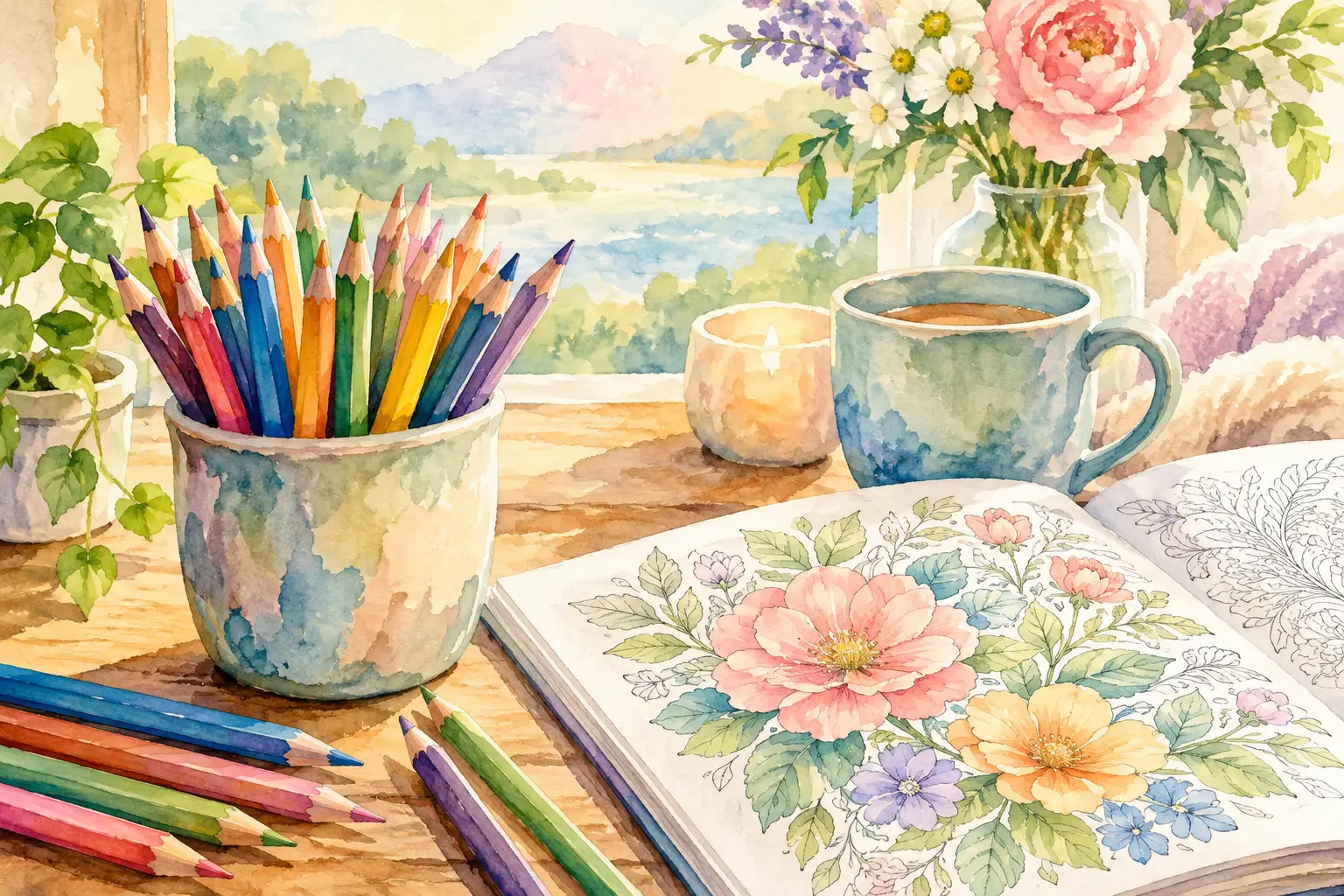
Colored Pencil Reviews for Calm Coloring Time
A fresh page, a cup of tea, and a few quiet minutes can feel very different depending on the pencils in your hand. Colored pencil reviews are helpful because the right set makes coloring feel smooth and easy, while the wrong one can leave you pressing too hard, fighting broken tips, or wondering why the colors look faint.
For relaxed coloring, the best pencils are not always the most expensive or the most technical. They are the ones that feel comfortable in your hand, add color without effort, and let you enjoy the page at your own pace. A floral bloom does not need perfect blending to feel beautiful. It simply needs colors that invite you to stay for a while.
What Colored Pencil Reviews Should Tell You
A useful review goes beyond showing a perfectly finished drawing. Look for details about how the pencils behave on paper, especially if you are coloring in books with nature scenes, animals, or detailed floral patterns.
The first question is simple: how easily does the color go down? Softer pencils usually create rich color with light pressure. This is often a good fit for a calming coloring session because your hand can stay relaxed. You can fill petals, leaves, and small background spaces without feeling like you need to push or strain.
Harder pencils can still be a lovely choice, particularly for very fine details. They hold a sharp point longer and can make it easier to color narrow stems, tiny feathers, or patterned sections. The trade-off is that they may feel lighter on the page and take more layers to build a deeper shade. Neither style is wrong. It depends on whether you enjoy soft, velvety coverage or careful, precise coloring.
Reviews should also mention breakage. A pencil that snaps repeatedly during sharpening can interrupt a peaceful moment quickly. Look for comments about strong cores, clean sharpening, and whether the pencil arrives in good condition. A few broken points after shipping can happen, but frequent breakage is worth taking seriously.
Start With the Feeling You Want
It helps to choose pencils based on the kind of coloring time you want to create. If your goal is a gentle evening activity after a full day, a soft wax-based pencil may feel especially satisfying. These pencils often glide across the page and build color quickly. They are well suited to broad flower petals, soft skies, leafy backgrounds, and simple shading.
If you enjoy slowing down with tiny details, a firmer pencil may suit your style. It can give you more control around outlines and make small sections feel less fussy. Some colorists keep both types nearby: softer pencils for larger areas and firmer pencils for delicate finishing touches.
There is also the question of color range. A large set can be inspiring, but it is not required for a restful experience. In fact, too many choices can make a blank page feel more demanding. A set of 24 to 36 well-chosen colors is enough for many coloring books. You can create a calm garden scene with a few greens, warm yellows, petal pinks, soft purples, and several earth tones.
When reading reviews, pay attention to whether the colors are easy to identify. Pencils with names or color numbers make it simpler to return to a shade later. This small detail matters when you are coloring over several quiet sessions and want the same green for a group of leaves or the same blue for a patterned border.
A Gentle Look at Popular Pencil Types
Many beginner-friendly sets are designed for ease and affordability. These can be a comfortable place to begin if you are returning to coloring after years away from it, buying supplies for a new hobby, or simply want to see what feels good. They may not blend as smoothly as artist-grade pencils, but they can still bring plenty of pleasure to a page.
Mid-range pencils often offer a noticeable step up in color payoff, wood quality, and consistency. For regular colorists, this can be the sweet spot. You may get richer shades without feeling as though every page needs to become a serious project. Sets in this range are often a thoughtful choice for floral and nature-themed books because they offer enough variation for leaves, blossoms, bark, fur, and skies.
Premium pencils tend to feel especially smooth, richly pigmented, and reliable when layered. Brands such as Prismacolor Premier are known for soft, bold application, while Faber-Castell Polychromos pencils are often appreciated for their firmer feel and controlled layering. Both can create beautiful results, but they offer different experiences. Prismacolor may appeal if you want color to arrive quickly and softly. Polychromos may appeal if you like measured detail and a pencil point that lasts longer.
The best choice is the one that makes you want to pick up the book again tomorrow. A pencil set does not need to be perfect to support quiet enjoyment.
Try a Small Page Test Before Committing
Even glowing colored pencil reviews cannot tell you exactly how a set will feel in your hand or on your favorite paper. A small test can save you from buying a large collection that does not match your coloring rhythm.
Choose a page with a few different elements: a large flower, some leaves, a narrow line pattern, and an open background. Use two or three colors and notice how your hand feels after ten minutes. Are you pressing hard? Does the pencil glide? Can you add a second color over the first without the page becoming rough or waxy?
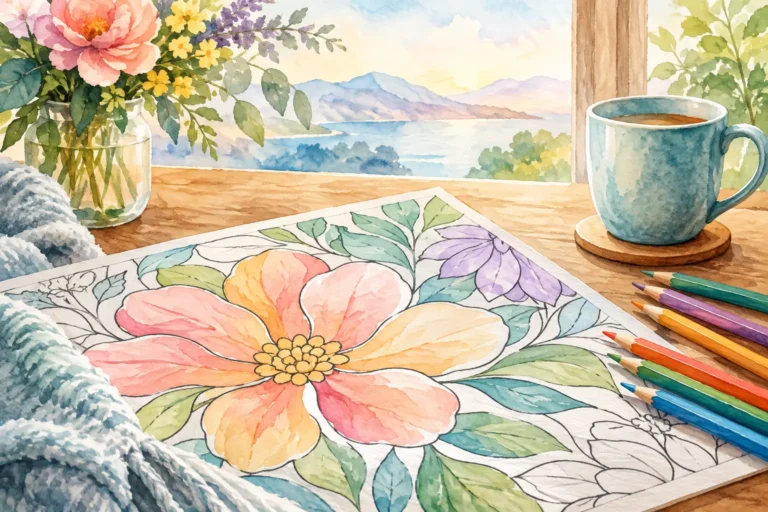
Try light pressure first, then add another layer. For relaxed coloring, you do not need complicated techniques. A light base of yellow with a touch of orange near the center can make a flower feel warm. A pale green under a deeper green can give leaves a little softness. Let the page guide you rather than trying to make every section match a picture in your mind.
Paper matters here, too. Many coloring books use smooth paper that works well with colored pencils but may not accept endless layers. If a review says a pencil performs beautifully on heavy drawing paper, it may still feel different in a printed book. Use reviews as a helpful starting point, then trust your own page test.
Details That Make Coloring More Comfortable
A few practical features can make a surprising difference in how often you reach for your pencils. Round barrels are familiar and easy to hold, while hexagonal barrels are less likely to roll off the table. Thicker pencils may feel steadier for some hands, though they can be harder to sharpen with a standard sharpener.
A good sharpener is worth keeping nearby. Dull points can make detailed areas feel frustrating, and an unreliable sharpener can damage even a nice pencil set. Keep a small scrap of paper beside you to test the point before returning to your coloring book.
Storage can support the ritual, too. A simple pencil case, tray, or small basket keeps colors together and makes it easier to begin. When supplies are easy to find, a creative pause asks less of you. You can sit down, open a page, choose a color, and let the rest of the day become a little quieter.
Choose for Your Page, Not the Hype
The most enthusiastic reviews often focus on dramatic blending, huge color collections, or highly detailed artwork. Those things can be enjoyable, but they are not the only measure of a good pencil. If you are coloring to slow the mind, comfort and ease deserve just as much attention.
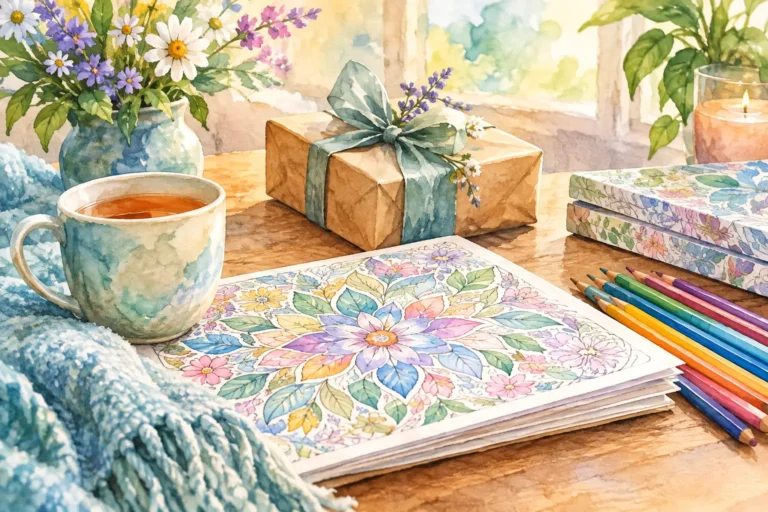
For an AmBizi floral coloring page, a smaller set of soft, dependable pencils may be all you need. Start with colors that feel inviting rather than colors you think you are supposed to use. A rose can be peach, plum, or sunny yellow. Leaves can shift from sage to deep blue-green. There is room to follow your mood.
Let your first pencil set be a beginning, not a test. Choose one that feels kind to your hand, pleasant on the paper, and simple enough to reach for when you need a quiet creative break.