A Simple Guide to Relaxing Creative Breaks
The few minutes between finishing one task and starting the next can easily disappear into messages, headlines, and another open tab. A guide to relaxing creative breaks offers a gentler option: a small, hands-on pause that gives your attention somewhere quiet to rest. You do not need a free afternoon, artistic confidence, or a perfectly organized routine. You only need a simple activity that feels easy to begin.
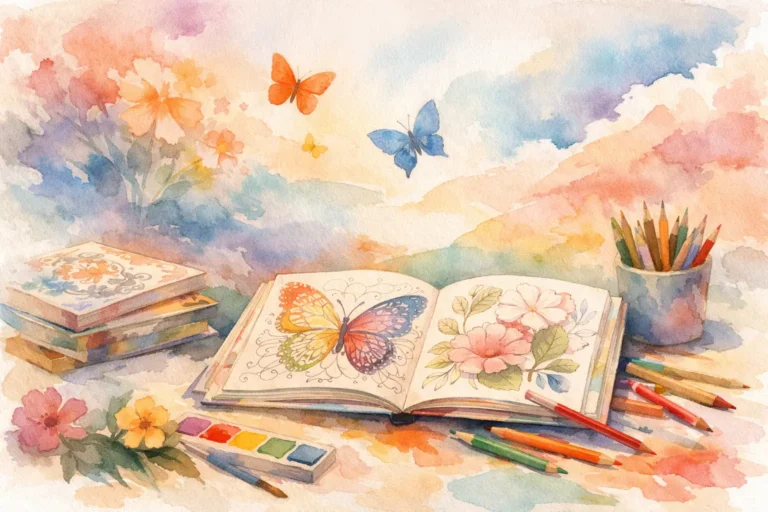
A coloring page, a few pencils, and a small clear space can change the pace of a busy moment. The purpose is not to make something impressive. It is to slow the mind, loosen the pressure of the day, and enjoy a little color without asking anything more of yourself.
What Makes a Creative Break Relaxing?
A relaxing creative break is low-pressure by design. There is no right color palette, no expectation to finish a page, and no need to share the result. That sense of permission matters. When creativity becomes another item to do well, it can feel like work. When it is allowed to be simple, it can become a welcome reset.
The best breaks are also small enough to fit real life. Ten peaceful minutes before a meeting may be more useful than waiting for a two-hour stretch of free time that never arrives. A short creative pause can give your thoughts a softer landing between responsibilities.
Tactile activities are especially helpful for people who spend much of the day on screens. Choosing a pencil, noticing the texture of paper, and filling a small shape with color creates a different kind of focus. It is quiet, concrete, and pleasantly contained.
A Guide to Relaxing Creative Breaks That Fit Your Day
The easiest routine is the one you can return to without preparation. Rather than building an elaborate creative corner or setting a strict schedule, begin with a modest invitation. Keep a coloring book and a small set of favorite pencils where you can reach them easily. A basket near the sofa, a drawer by your desk, or a spot at the kitchen table is enough.
Choose a gentle starting point
Start with an image that feels welcoming, not demanding. Floral patterns, leaves, birds, garden scenes, and calm animal designs can be especially comforting because they offer familiar shapes and a natural sense of rhythm. If detailed pages feel enjoyable, choose one. If they make you hesitate, a simpler design may be the better choice.
There is no need to select colors with a plan. You might begin with one shade you already love, then add another as you go. Soft greens and blues can feel cool and quiet; warm pinks, golds, and oranges can bring a little brightness to an afternoon. The goal is not to follow rules. Let the page lead you toward what feels pleasant.
Give the break a clear edge
A creative pause can be five minutes, fifteen minutes, or the length of one cup of tea. A clear endpoint helps the activity feel possible on a full day. Set a gentle timer if that helps, but do not treat it like a deadline. When the time is up, you can stop in the middle of a leaf or continue for a few more minutes if the moment allows.
Short breaks are valuable because they do not require you to rearrange your life. You can color before picking up the kids, after putting away dishes, while waiting for dinner to cook, or during the quiet space after work. The page will still be there when you return.
Keep the setting pleasantly simple
A relaxing space does not need to be picture-perfect. Clear enough room for your book, pencils, and a drink is plenty. If possible, place your phone facedown or in another room. The aim is not to reject technology completely, but to make room for a few minutes without its constant pull.
Some people enjoy a quiet room. Others prefer a window open to neighborhood sounds, a favorite instrumental playlist, or the soft background noise of family life. It depends on what helps you settle. Notice what makes the activity feel lighter rather than more managed.
Match the Break to the Moment You Have
Not every kind of creative break suits every mood. On a rushed morning, choose a page with larger spaces and use just two or three colors. The small limit removes decisions and lets you begin quickly. In the evening, when you want to unwind from a crowded day, a more detailed floral page may offer a longer, steadier focus.
If your mind feels scattered, repeat one color through several parts of the design before choosing the next. That simple repetition can make the page feel organized without turning it into a project. If you feel low on energy, keep the book open to a page you have already started. Beginning in the middle is often easier than facing a blank page.
For parents and caregivers, a creative break may happen in brief, interrupted pieces. That still counts. Color one flower while the laundry runs. Add a few shaded leaves after everyone is settled. A pause does not lose its value because it is imperfect or incomplete.
Let “Good Enough” Be the Point
Many adults hesitate to color because they assume creativity should involve skill. But relaxing creativity has room for uneven strokes, unexpected color combinations, and half-finished pages. In fact, letting go of perfection is part of what makes the experience restful.
Try not to correct every choice or compare your page to an image in your mind. If a color looks different than expected, you can simply continue. If you go outside a line, it is only a mark on paper. The page does not need to earn its place in your day. Its value is in the quiet enjoyment it gives you while you make it.
This approach can also make it easier to try new combinations. A bright bird among muted leaves, purple flowers beside a yellow sky, or a garden made entirely in shades of blue can be surprisingly satisfying. You are free to follow the design, change it, or use it as a starting point for your own small ideas.
Make It Easy to Return Tomorrow
The most calming creative habits are often the least complicated. Leave a pencil tucked into the page you are working on. Keep your colors together instead of packing them away perfectly after every use. When the next small opening appears, the first step will already be done.
It can help to think of your coloring book as an ongoing place rather than a task to complete. A few minutes here and there slowly become a collection of colored pages, each one connected to an ordinary moment when you chose to pause. There is no rush to reach the last page.
AmBizi coloring books are made for this kind of low-pressure return: nature-inspired designs that invite calm, whether you have a quiet half hour or only a few minutes to yourself. Choose themes that genuinely appeal to you. A book you enjoy looking at is one you are more likely to open.
When a Creative Break Does Not Feel Calming
Sometimes even a pleasant activity can feel like too much. If you find yourself frustrated by a detailed pattern, switch to a simpler page or use fewer colors. If choosing shades feels tiring, pick one pencil and add soft layers of the same color. If sitting still is difficult, color at the kitchen counter for five minutes rather than setting up a longer session.
The answer is usually not to push harder. Make the break smaller, quieter, or easier. Your creative time should meet you where you are, not ask you to become someone else first.
The next time your day feels crowded, let your hands choose one color and one small place to begin. A single petal, leaf, or feather can be enough to create a little more room to breathe.