Mindful Coloring Books for Focus & Calm Guide
Explore the Ambizi coloring book collection →
Pick a coloring book with single-sided pages, a layout big enough to color comfortably, and a level of detail that matches how you feel right now. Mindful coloring works because it gives your attention one small job: choose a color, fill a shape, repeat. A book that feels easy to start will do more for your focus and calm than one that looks impressive but stresses you out.
One note on "top rated": this guide does not rank books by star ratings, because ratings change and we won't make them up. Use the criteria below to shortlist, then check current reviews on each book's page.
What Is Mindful Coloring?
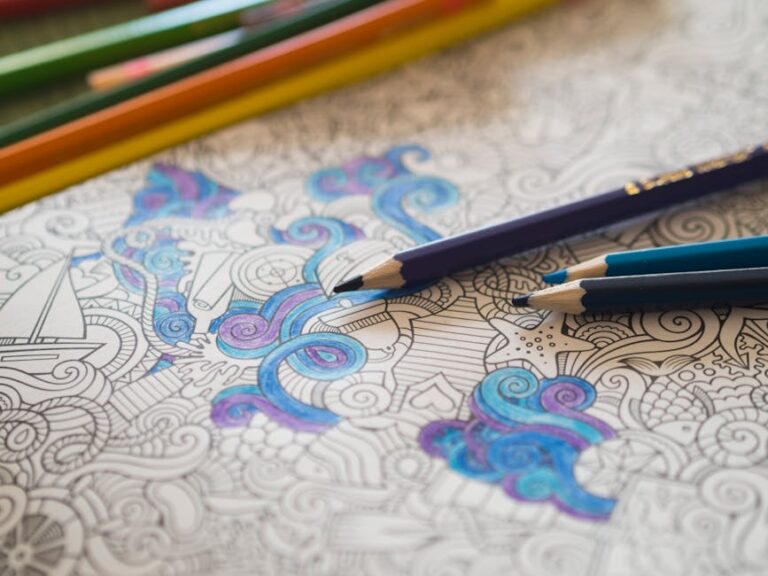
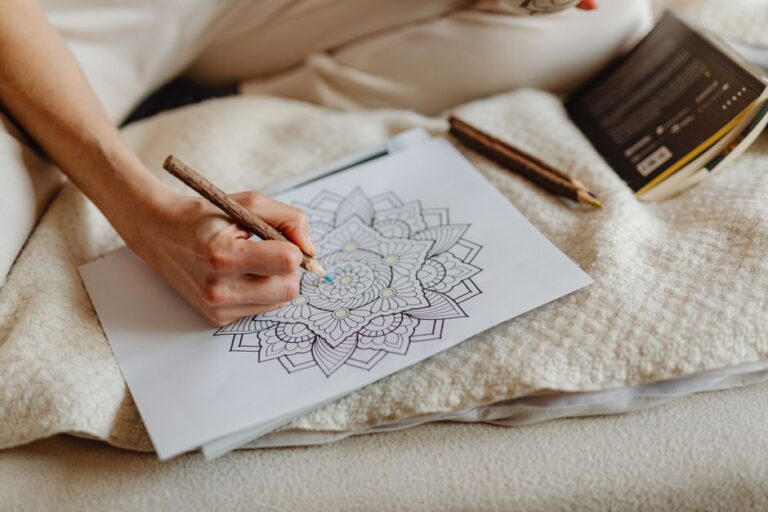
Mindful coloring is coloring done on purpose, with your attention on what you are doing right now. You notice the pencil on the paper, the color you chose, and the shape in front of you. When your mind wanders, you bring it back without judging yourself.
It is a structured, low-stakes creative activity. The lines are already drawn, so there is no blank page to fear. You make small decisions, such as which color goes where, and nothing hangs on the result. That is why it suits people who want a creative pause but don't think of themselves as artists.
Ambizi Publishing makes coloring books built around this idea: relaxing designs meant to slow the mind and invite calm, focused creativity.
What Are the Mental Health Benefits of Mindful Coloring?
Mindful coloring can lower stress, quiet mental chatter, and make it easier to concentrate. It is a relaxation habit, not a treatment, and it works best as one part of how you look after yourself.
Here is how the benefits tend to show up:
- Less anxious thinking. Following line art and choosing colors fills your working attention, which leaves less room for worry loops.
- A calmer pace. Repetitive hand motion, like shading or filling small shapes, is steady and predictable. Many people find it settles their breathing.
- Sharper focus. Staying with one small area at a time trains you to hold attention on a single task.
- A sense of finishing something. A completed page gives a small, real win, which is useful on a hard day.
There is research behind the general idea. While science does not show that coloring books are a cure for anxiety, evidence does back the straightforward notion that engaging in structured creative tasks offers a way to decompress.
If anxiety is constant or getting in the way of daily life, talk to a doctor or a licensed therapist. Coloring can sit alongside that care.
How to Choose the Right Adult Coloring Book for Anxiety Relief
Choose by pages, size, detail level, and subject. Here are the five things to check, in order.
1. Single-sided pages
Single-sided pages mean nothing bleeds through to the next design. You can use markers or heavier pencils without worrying about ruining the picture on the back. Ambizi's Hodgepodge Hocus Pocus and America the Beautiful each have 40 original, single-sided coloring pages.
2. Page size
A large page gives your hand room to move and makes small areas easier to reach. Both of those books use a large 8.5 × 11-inch format. Letter size also lies flat on a table or lap desk without much fuss.
3. Level of detail
Match detail to your current state, not your ambition.
| If you feel… | Look for… | Why it helps |
|---|---|---|
| Frazzled, tired, or new to coloring | Approachable designs with larger shapes | You can start in seconds and finish a page without frustration |
| Restless but able to concentrate | Medium detail with a mix of large and small areas | Enough variety to hold attention without overwhelm |
| Calm and wanting a longer project | Intricate, dense patterns | Long stretches of absorbing, repetitive work |
If you are anxious today, start simpler than you think you need to. You can always move to a denser book later.
4. A subject you actually like
You will keep coloring what you enjoy looking at. Ambizi's collection leans toward florals, nature, and relaxing animals, plus themed titles such as whimsical fairy homes and cozy gnome scenes. Pick the subject that makes you smile when you flip through it.
5. A look inside before you buy
Check sample pages. If a page makes your shoulders tense just looking at it, it is the wrong book for an anxious day.
Best Intricate Pattern Coloring Books and Themes for Mindfulness
The best intricate books for mindfulness are detailed enough to absorb you and varied enough not to overwhelm you. Dense patterns suit longer, calmer sessions. Themes with a gentle story or familiar objects tend to feel friendlier than abstract designs.
These are the themes that work well, with Ambizi titles that match them:
- Florals and nature. Petals, leaves, and landscapes give you natural repetition and plenty of color choices. Florals and nature are core Ambizi subjects.
- Gentle animals. Relaxing Dogs To Color offers gentle dog illustrations designed for calm, approachable coloring, a good fit if you want something soothing rather than demanding.
- Whimsical fairy architecture. Fairy Architecture: Whimsical Edition features playful fairy homes inspired by blossoms, teacups, kettles, jars, and storybook forms. The small details give your eyes plenty to settle on.
- Cozy storybook scenes. Gnomes: A Day In The Life follows charming gnomes through gardening, creating, fishing, cooking, and quiet rest, so each page feels like a small scene.
- Seasonal and elegant variety. Hodgepodge Hocus Pocus is a quirky Halloween coloring book for adults with witches, black cats, ravens, enchanted pumpkins, ornate skulls, friendly ghosts, and curious potions in cozy, gothic, whimsical, and elegant designs.
- Landmarks and tradition. America the Beautiful is a special edition for America's 250th year, with landmarks, wildlife, historic symbols, coastal scenes, and small towns. It is made for relaxing detail for adults and seniors.
Browse them all on the Ambizi coloring books for stress relief page, or see every title on the Ambizi Amazon author page.
How Do You Mindfully Color for Maximum Calm?
Set up a quiet spot, choose colors on purpose, breathe slowly, and focus on how coloring feels rather than how it looks. Follow these steps:
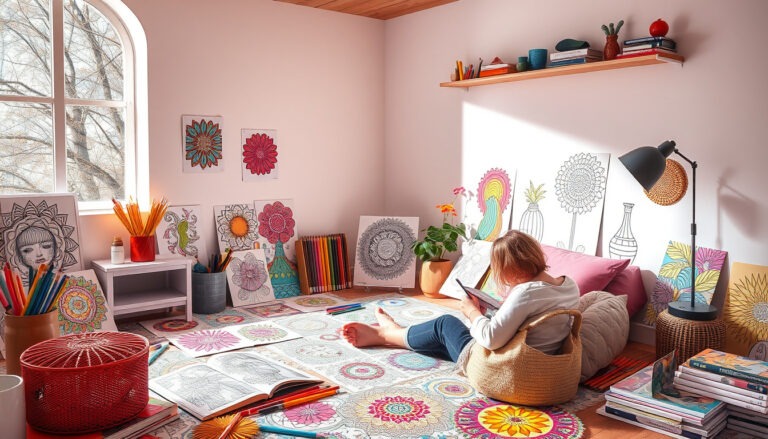
- Clear a small space. Sit at a table with good light. Put your phone out of reach or on silent.
- Gather a few tools. Choose a small set of pencils or markers. Fewer options mean fewer decisions.
- Pick colors by mood. Ask what you want to feel. Soft blues and greens often feel restful, and warm tones can feel cozy. There is no wrong answer.
- Take three slow breaths. Breathe in through your nose, out through your mouth, before you start.
- Start with one small area. Fill it slowly. Notice the pressure of your hand and the sound of the pencil.
- Return when you drift. Your mind will wander. Gently bring your attention back to the shape in front of you, without scolding yourself.
- Let go of perfect. Going outside the lines or choosing an odd color is fine. The point is the pause, not the picture.
- Stop when you feel settled. You do not have to finish a page. Close the book once you notice your shoulders drop.
How Often Should You Practice Mindful Coloring?
Aim for a short daily session of 10 to 20 minutes. Small, regular pauses build the habit better than one long session a month, and they give you a reliable way to reset during the day.
- Daily routine. Pick a fixed time, such as after dinner or before bed, and color for 10 to 20 minutes. Attaching it to something you already do makes it stick.
- Weekly routine. If daily feels like too much, set aside two or three sessions a week. Consistency matters more than length.
- High-stress periods. When life is heavy, stretch a session longer, or add a second short one. A longer sitting with a favorite page can help you wind down.
Because every page in a book is separate, you can pick it up and put it down without losing your place.
A Simple Plan to Start Today
- Choose one book that matches your current energy, using the table above.
- Set a timer for 10 minutes tonight.
- Pick three colors and fill one small section.
- Take three slow breaths before you start and one when you stop.
- Repeat tomorrow at the same time.
Ready to pick a book? Explore the Ambizi collection →
FAQ
What are the top rated mindful coloring books for focus and calm?
Ratings change, so check current reviews on each book's page before you buy. Look for single-sided pages, a large format, and a subject you enjoy. Ambizi Publishing's calm-focused titles include Relaxing Dogs To Color, Fairy Architecture: Whimsical Edition, Gnomes: A Day In The Life, Hodgepodge Hocus Pocus, and America the Beautiful.
What are the best intricate pattern coloring books for mindfulness?
The best ones have enough detail to absorb you without overwhelming you. Look for themes with natural repetition, such as florals, nature scenes, whimsical fairy homes, and cozy storybook illustrations. Sample pages help you judge whether the detail feels soothing or stressful.
How do I choose the right adult coloring book for anxiety relief?
Check for single-sided pages, a comfortable page size such as 8.5 × 11 inches, and a detail level that matches how you feel today. Choose approachable designs when you are very anxious and denser patterns when you are calm. Pick a subject you like, and view interior samples first.
What is mindful coloring?
Mindful coloring is coloring with your attention on the present moment: the color you chose, the line you follow, and the feel of the pencil. It is a low-stakes creative activity meant to slow the mind and invite calm, focused creativity.
What are the benefits of mindful coloring?
It can reduce anxious thinking, quiet mental chatter, and improve your ability to concentrate. It also gives you a small sense of accomplishment. It is a relaxation habit, not a replacement for professional care.
How do you mindfully color?
Sit in a quiet space, pick a few colors by mood, take three slow breaths, and fill one small area at a time. When your mind wanders, bring it back gently. Do not aim for a perfect result.
How often should you practice mindful coloring?
Try 10 to 20 minutes a day. If that is too much, color two or three times a week. During high-stress periods, longer or extra sessions can help.
Do I need to finish a page?
No. Stop when you feel settled. The calm comes from the act of coloring, not from completing the picture.
Are single-sided pages worth it?
Yes, especially if you like markers or heavy pencils. Single-sided pages keep color from showing through to the next design on the back.